



Beware: The bathroom is one of the most dangerous rooms in the house. Why? The…
bathroom-remodel
The Three Bathroom Safety Issues That Quietly Change How You Use Your Bathroom
June 4, 2026
Bathroom safety problems rarely announce themselves all at once. Usually, they appear as small adjustments you make without thinking about it. You shift your weight more carefully. You step more slowly. You reach for the wall just in case.
Over time, those little changes add up, turning a routine space into one that requires constant attention.
At Five Star Bath Solutions, most bathroom safety conversations come back to three common problem areas. These aren’t rare situations or extreme cases. They’re everyday design issues that affect how confidently people move through their bathroom.
Slipping Inside the Shower
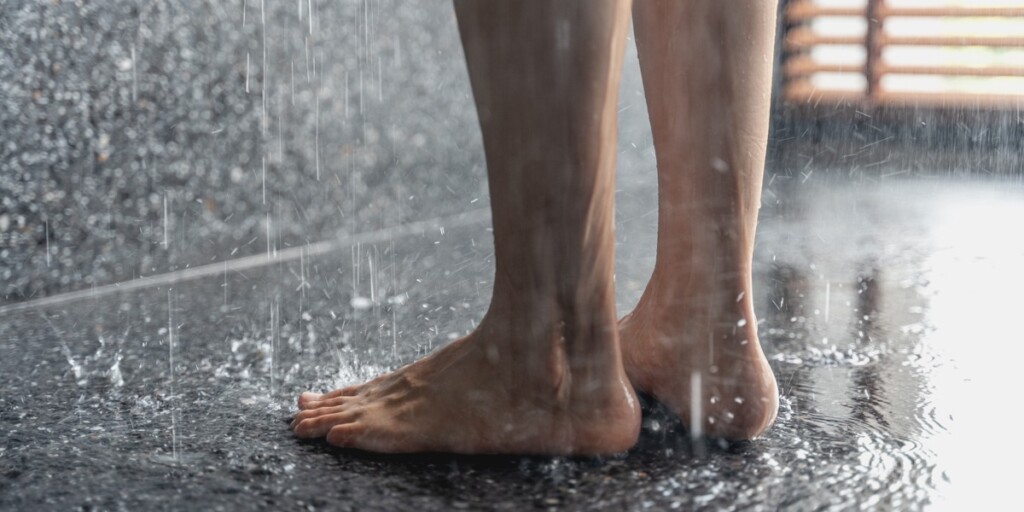
Showers are designed for water, but most aren’t designed for traction. Smooth surfaces, soap residue, and moisture buildup can create a slick environment that feels unpredictable underfoot.
Even when nothing goes wrong, the possibility of slipping can change how someone stands, turns, or shifts their weight while showering.
People often compensate by keeping their feet planted, moving slowly, or avoiding certain positions altogether. What should feel like a refreshing moment becomes something that requires focus and caution.
Over time, this can make showers feel rushed or uncomfortable instead of relaxing.
Modern shower systems address this by starting from the ground up. Shower bases with built-in traction provide more secure footing in wet conditions, while proper drainage helps prevent water from pooling where you stand.
Newer shower bases create a space where footing feels more stable, and movement feels natural again.
Stepping Over the Tub Wall to Take a Shower
One of the most common moments of imbalance happens before the shower even begins.
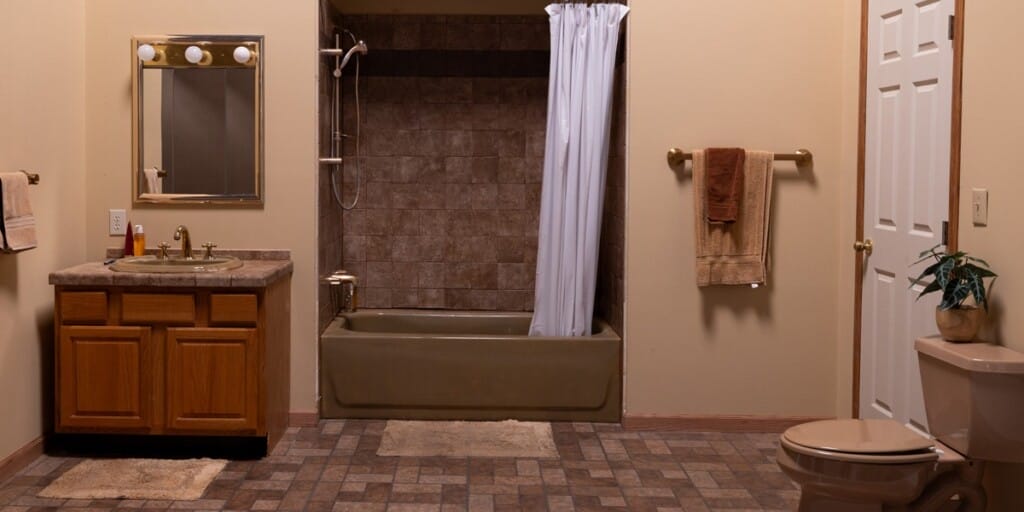
Stepping over a tub wall requires lifting one leg, shifting weight mid-step, and landing on a wet surface, often without anything solid to hold onto. This motion can feel more awkward over time, even for people who consider themselves steady.
Over time, the tub wall seems higher than it used to be. The movement requires more thought. Many homeowners pause before stepping in, brace themselves, or rush the process just to get it over with.
As a result, some people stop using the tub regularly, even if it’s the primary shower in the home. Others adjust their routines, choosing baths or avoiding bathing altogether on days when they feel less sure of their balance.
Replacing a traditional tub with a walk-in shower removes this obstacle completely. A low-entry or barrier-free design allows you to step in and out naturally, without lifting your leg high or shifting your weight in an unstable way. The space feels more open, more accessible, and easier to move through, especially during everyday use.
Not Having Support When You Need It
Balance issues don’t always come from a single big movement. Often, they happen during small transitions such as turning around, stepping back, or adjusting your stance.
In many bathrooms, when that moment of uncertainty happens, there’s nothing designed to help you regain balance.
Towel bars, shower walls, and vanities are often slippery and not meant to support weight. Reaching for them can make the situation worse or provide no help at all. Knowing there’s nothing reliable to hold onto can create constant low-level stress during bathing routines.
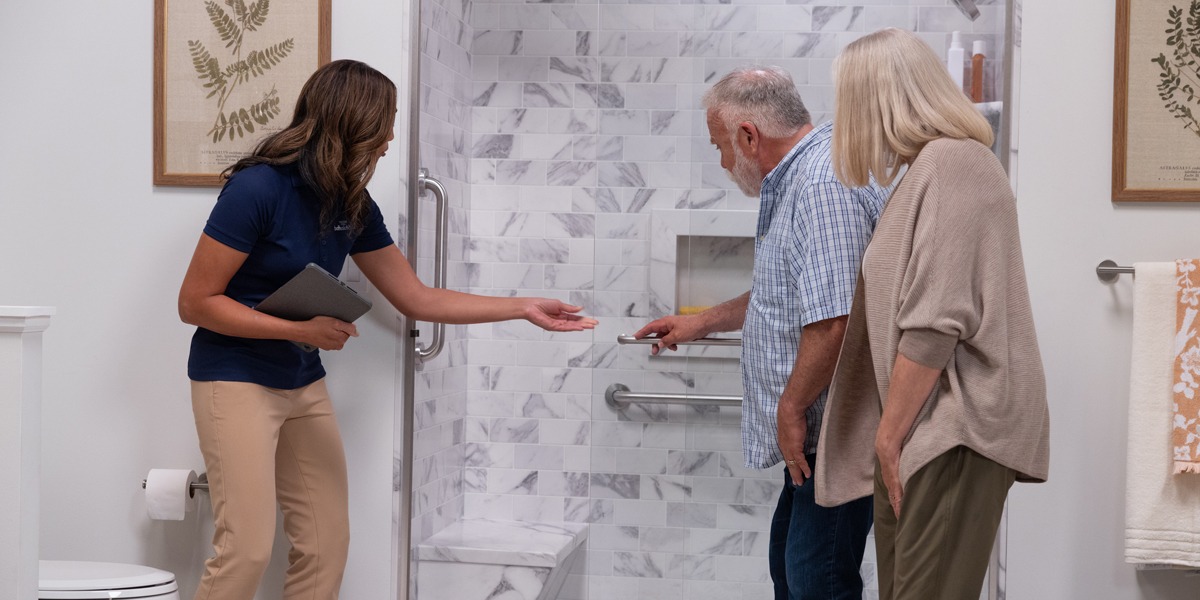
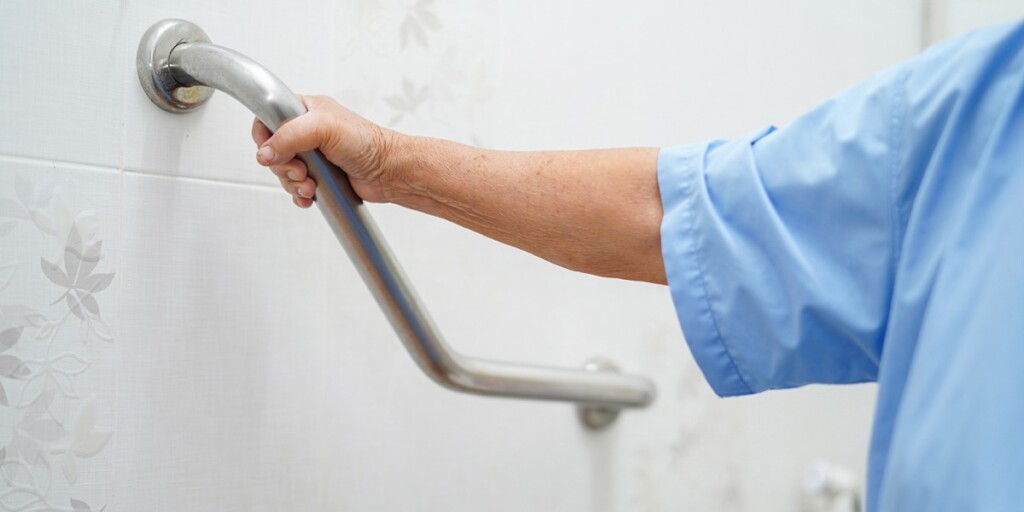
Adding proper support changes how the space feels immediately. Professionally installed grab bars provide a stable point of contact where it matters most: near the shower entrance, inside the shower, or anywhere balance is commonly tested.
When placed thoughtfully, they don’t disrupt the bathroom's design. Instead, they quietly do their job, offering reassurance without drawing attention.
With dependable support in place, movements that once felt uncertain begin to feel automatic again. You’re not planning every step. You’re just moving.
Why These Three Issues Matter Together
Each of these issues can feel manageable individually. Together, they shape how safe and comfortable your bathroom feels every single day.
When footing is uncertain, entry is awkward, and support is missing, people adapt by being more cautious, but that caution often comes at the cost of comfort and confidence.
A safer bathroom isn’t about turning your home into something clinical or unfamiliar. It’s about removing the design barriers that create hesitation in the first place. When those barriers are addressed, daily routines feel easier, calmer, and more natural again.
Spring is often when homeowners notice what’s no longer working in their space. And for many, the bathroom is where those signs first show up.
Planning Ahead Before Safety Becomes a Daily Concern
Many homeowners read about bathroom safety and think, This doesn’t really apply to me yet. And that may be true. You might feel steady on your feet. You might have no trouble stepping into the shower today. Your bathroom might still feel manageable most of the time.
But the bathroom is one of those spaces where changes don’t usually happen overnight. Balance, mobility, and confidence tend to shift gradually. The problem is that bathrooms are often designed with very little margin for change. When conditions start to feel less comfortable, the space doesn’t offer much flexibility.
Waiting until slipping, hesitation, or balance issues become a daily concern often means reacting instead of planning. Decisions feel more urgent. Options feel more limited. And what could have been a calm, thoughtful update starts to feel like a problem that needs to be solved quickly.
Planning ahead allows homeowners to make safety upgrades on their own terms. It means choosing designs that fit how you live now, while quietly supporting how you’ll move through the space in the future.
A low-entry shower, better footing, and built-in support don’t announce themselves as “necessary.” They simply make the bathroom easier to use today and in the years ahead.
There’s also peace of mind in knowing your bathroom won’t be the thing that slows you down later. When safety is built in early, routines stay familiar. Confidence stays intact. And the bathroom remains a space that works for you, not one you have to work around.
Spring is often a time to look ahead and make updates that prevent future problems rather than react to them. When it comes to bathroom safety, that mindset can make all the difference.
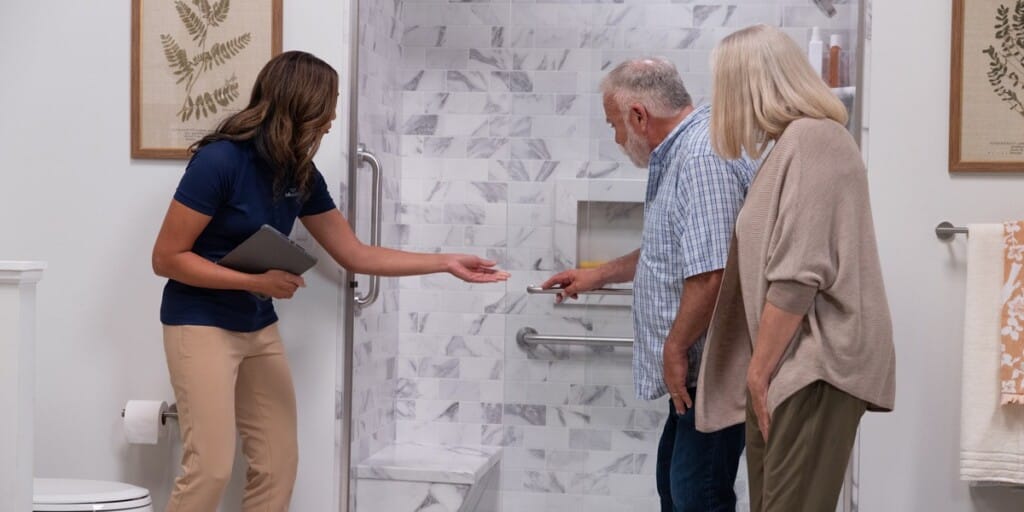
How the Right Materials and Safety Accessories Eliminate Everyday Worry
A safer bathroom isn’t created by a single upgrade. It’s the result of thoughtful choices working together, materials that feel steady underfoot, surfaces that stay predictable over time, and accessories that quietly support you when you need them.
At Five Star Bath Solutions, safety starts with selecting materials that are designed for real-life use, not just how a bathroom looks on day one.
Shower bases with built-in traction help reduce the uneasy feeling of standing on a slick surface. Instead of constantly adjusting your stance or being careful where you place your feet, the floor beneath you feels more secure and dependable. That kind of stability changes how you move through the shower. It allows you to relax rather than stay alert.
Seamless wall systems also help reduce worry. Fewer seams and joints mean fewer places for moisture to collect and fewer areas that feel unpredictable over time. The shower stays easier to maintain, and the space feels more consistent and reliable with daily use.
Safety accessories complete the picture. Professionally installed grab bars provide real support where balance is most often tested: near the entry, inside the shower, or along key movement paths. When they’re placed intentionally and installed correctly, they don’t feel like an afterthought. They feel like part of the design. More importantly, they’re there when you need them, without you having to think twice.
Low-entry and walk-in shower designs further reduce strain by removing the high step that causes hesitation in the first place. Instead of planning your movement or bracing yourself, you step in naturally. That simplicity removes a surprising amount of mental stress from daily routines.
Together, these materials and accessories don’t just reduce physical risk. They eliminate the quiet worry of wondering whether today will be the day something goes wrong. They allow the bathroom to fade back into the background of your life, doing its job without demanding your attention.
When safety is built into the space itself, confidence follows naturally. And that confidence is what truly makes a bathroom feel comfortable again.
Ready to Feel More Confident in Your Bathroom This Spring?
You don’t have to wait for a close call or a daily struggle to start thinking about bathroom safety. The best time to make thoughtful updates is before slipping, hesitation, or balance issues become part of your routine.
A safer bathroom isn’t about changing how you live; it’s about making sure your space continues to support you comfortably, now and in the years ahead. With the right materials, smart design, and built-in support, everyday routines can feel easier and more relaxed again.
Spring is a natural time to plan ahead. If you’ve started noticing small moments of uncertainty, or if you simply want peace of mind about your bathroom’s safety, this is a good time to explore your options.
Take the next step when it feels right.
A quick conversation can help you understand what changes may make the biggest difference for your home, without pressure or obligation.
Because when your bathroom works better, everything about your day feels a little easier.
Bathroom Safety FAQs: What Homeowners Ask Most Often
What makes the bathroom one of the most common places for slips and falls?
Bathrooms combine water, smooth surfaces, and movement in tight spaces. Stepping into a wet shower, turning around, or shifting your weight can increase the chance of losing balance, especially when surfaces aren’t designed with traction or support in mind.
Is slipping in the shower really that common?
Yes. Showers are one of the slickest areas in the home. Soap residue, standing water, and smooth shower floors can make footing unpredictable, even for people who feel steady most of the time.
Why does getting in and out of the tub feel harder over time?
Stepping over a tub wall requires lifting one leg, shifting your balance, and landing on a wet surface. That movement can feel more awkward as balance and flexibility change, even gradually.
When should homeowners start thinking about bathroom safety upgrades?
It’s best to plan before safety becomes a daily concern. Many people wait until they feel unsteady or have a close call, but making updates earlier allows for more flexibility and less pressure in decision-making.
Do walk-in showers really make a difference for safety?
They do. Walk-in showers remove the high step of a traditional tub, making entry and exit easier and more natural. This reduces hesitation and improves confidence during daily use.
How do modern shower materials help reduce slipping?
Today’s shower systems are designed with traction, proper drainage, and smooth, consistent surfaces. These features help reduce standing water and provide a more stable footing in wet conditions.
Are grab bars only for people with mobility issues?
No. Grab bars provide support for anyone who wants added stability. They help with entry, exit, and movement inside the shower and can boost confidence without changing the bathroom's look.
Can safety upgrades still look modern and stylish?
Yes. Many safety-focused materials and accessories are designed to blend seamlessly into the bathroom. The goal is a space that feels comfortable and supportive, not clinical.
Will the safety upgrades change how my bathroom feels day-to-day?
Most homeowners notice that their bathroom feels easier to use and less stressful. Instead of thinking about balance or footing, routines feel more natural and relaxed.
What’s the biggest benefit of addressing bathroom safety early?
Peace of mind. When safety is built into the design, you don’t have to worry about future limitations or sudden changes. The bathroom continues to work for you today and for years to come.
Categories (tags):
Find Your Local Five Star Bath Solutions Team
FSBS teams serve communities nationwide with premium bath and shower remodeling solutions. Enter your city or ZIP code to connect with the team nearest you.
View All Locations

